What Might Be Next In The Best Wedding Photography in Bhubaneswar
How to Organise Wedding Photography in Bhubaneswar Around Overlapping Moments
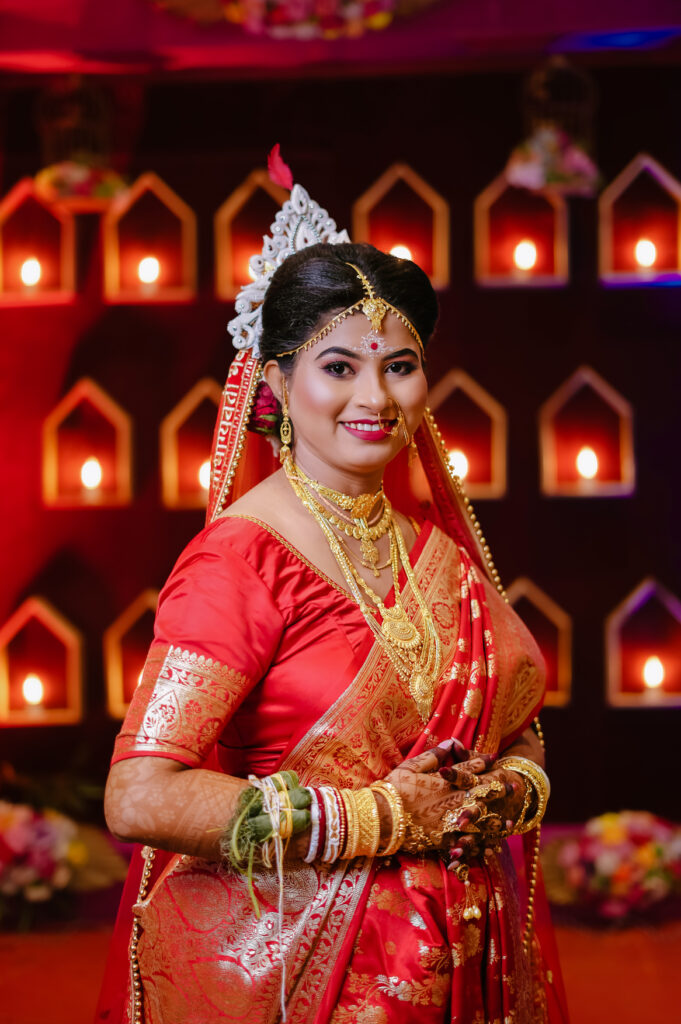
During a wedding, two meaningful moments may unfold simultaneously. As one partner prepares alongside a parent, the other may be arriving with relatives who have travelled for the ceremony. Later, a family greeting can coincide with an entrance or a final ritual. Couples often plan around a list of photographs, although determining how the team should divide its attention can be the bigger challenge. If you are comparing wedding photography professionals in Bhubaneswar, start with those overlaps. Such overlaps offer a clearer picture of the coverage your wedding requires than reviewing different photography styles and assembling a selection of poses.
Begin with the moments that matter to each of you
Sit down separately and write down two or three things you want the final photography collection to include. One partner may particularly value a grandparent's arrival. The other might want to see what was happening in the ceremony space before the entrance. Creating one joint checklist at the beginning may push such individual moments aside when attention shifts towards traditional portraits, decorative arrangements and the stage.
Afterwards, identify the important moments happening while you are elsewhere because you will be occupied in another location. Wedding pictures may reveal how one family greeted the other, or what your guests saw while you were waiting to enter. When these experiences hold personal significance, make sure they appear in the coverage plan. There is often flexibility to reschedule a portrait of the couple. A specific exchange between relatives, by contrast, may never be repeated.
Describe important family moments in straightforward language. A brief that says a grandmother will attend the ceremony but leave before the reception gives the team something to act on. Include who can identify her and a suitable moment for a photograph. These details are valuable when photographers are unfamiliar with the relatives attending the wedding.
Put both sides of the wedding on the same timeline
Prepare a single practical timeline showing each event, its location and the people involved at every stage of the celebration. Account for preparations, movement between different spaces and assembling relatives where they are needed. A schedule that only lists when the ceremony begins does not provide the complete picture. The team also needs to know when each partner expects to arrive, where the entrances are located and whether guests are expected to be seated before the couple arrives.
Pay particular attention to overlapping events that take place out of sight of each other. When both families are getting ready in different locations, estimate when someone would actually need to leave one space to be ready in the next. Simultaneous activities at the same venue may still be difficult to photograph where photographers must deal with several storeys, congested corridors or separate access routes. On the day, an aunt who knows the rooms and the running order could help photographers change positions more efficiently.
For an Odia marriage ceremony, have a knowledgeable member of each family explain the ceremony sequence according to your family's arrangements. This discussion helps the photography team identify the people involved, where people will stand and which actions take place quickly. Where the ceremony has specific guidelines about photographers' positions or when additional lighting is appropriate, discuss these requirements before the wedding.
Plan the team's positions when wedding activities happen together
Invite your photographer to discuss one example of simultaneous events from your timeline. For instance, a family greeting may be scheduled downstairs while someone is completing the last preparations on an upper floor. Who would already be in each space? Who would follow the couple once the events come together? The answers will help you understand how the proposed team will work at your venue.
Having another photographer may be helpful when two separate areas must be photographed during the same period. At a compact wedding with a clear sequence, you might prefer to use the available hours to cover more of the reception. Consider your particular event schedule before deciding. If you would rather have thorough photographs of one occasion than incomplete coverage of both, make that preference clear in your instructions.
If photographers and videographers need to work in the same area, discuss how they will arrange their shooting positions. The space surrounding the ceremony may be restricted, particularly where relatives are positioned around the couple. Consider whether one team member should maintain a wide angle while another photographs from a side position and how they will adjust if the aisle fills. Agreeing this in advance leaves the team fewer decisions to make in the middle of an entrance.
Plan a suitable part of the wedding day for family portraits
Organising a group photograph is relatively straightforward when all participants are together. Finding seven relatives who have gone in different directions is a separate task. Select the group portraits that hold the greatest importance, and appoint a family member from each side to bring everyone together. Include individual names whenever practical. A general description like ‘extended family’ may create confusion which relatives are needed for the following portrait.
Plan around the people with the shortest window to participate. Elderly family members, guests accompanied by small children and those departing early may need their photographs first. Choose a space close to the ceremony or reception to reduce the distance guests must travel. When particular family arrangements require discretion, tell the photographer privately and have the family helper guide people into place.
If meeting guests matters to you, include a short interval following the group photography. Group photography can result in several guests waiting for a chance to greet the couple, especially when the ceremony has only recently finished. A practical timeline allows friends and relatives to exchange greetings and gives a candid wedding photographer in Bhubaneswar time to capture the spontaneous interactions and emotional reunions surrounding the couple.
Judge portfolios by how they handle an ordinary room
Searching for the best wedding photography in Bhubaneswar often reveals attractive portraits and professionally edited short films. Ask to see a complete gallery from a wedding with conditions similar to yours. A ceremony held inside during the evening and a daytime celebration on an open lawn give photographers different things to work with. Seeing photographs from a similar environment can help you imagine the results at your location.
Look through the quieter parts first. Pay attention to how the photographer captures a room filled with people, whether the relatives involved in rituals are easy to recognise, along with whether the sequence of photographs helps you understand how the day unfolded across the venue. When you prefer spontaneous wedding photographs, examine images showing guests enjoying moments away from the couple. Those frames can show how much attention the photographer gives to guests and relatives beyond the central ceremony.
When comparing cinematic wedding photography in Bhubaneswar, view an extended wedding film alongside a brief highlight video. Pay attention to understandable voices at important points if the final video should preserve spoken blessings or important speeches. Find out how the filmmakers plan to record speech and ambient sound at the Destination Wedding Photographer in Odisha venue, especially where musicians, numerous guests or the venue's audio equipment may affect recording. Decide whether complete recordings of selected parts of the celebration are important and check how these would be supplied.
Use a pre-wedding shoot to work out how much direction you like
Arranging a pre-wedding photoshoot in Bhubaneswar may help you understand how comfortable you feel being photographed. Certain couples feel more at ease when asked to do something uncomplicated, such as walking together or talking about how they met. Others prefer clear guidance on where to stand and what to do with their hands. Throughout the photoshoot, notice which suggestions help you relax as well as any guidance that feels distracting.
If you are considering a photographer for your pre-wedding session in Bhubaneswar, talk about the location from a practical perspective. Check whether the location tends to be crowded during the scheduled session, how easily you can move around while wearing your selected clothes and whether photography arrangements need to be made with whoever manages the location. A short session in one setting may give you time to settle into the shoot. Photographing at multiple locations can also be worthwhile when each setting adds a distinct element.
Apply what you discover during the session to your main wedding plans. When you become comfortable with portraits almost immediately, a brief portrait session during a convenient break could work well. If you need a few minutes away from guests to feel at ease, make space for that unhurried portrait time prior to the reception starting. Confirm where the session will happen and who should tell family members when to expect you back.
Include travel and equipment preparation in your Odisha wedding schedule
While planning coverage with a destination wedding photographer in Odisha, explain the wedding schedule and show how the venue is arranged. Preparations, the ceremony and the evening celebration may be at different points on the property. The photography team requires sufficient time to carry and reposition its gear, check the light and set up sound before guests gather. Confirm the times at which different rooms can be accessed and check if venue employees can assist with movement across the property.
Consider the practical details of the indoor ceremony option if part of the celebration is planned outside. Find out where both partners and their guests would stand or sit and how photographers would capture entrances within the alternative arrangement. A covered area, sheltered walkway or indoor venue can create different photography perspectives. A quick walk-through can show whether a photographer needs to take position early and whether the layout allows easy movement for both attendees and the photography team during the ceremony.
Discuss how the plan would change if an activity is delayed or the reception moves to another space. Record the agreed coverage hours, any extra charges for extending them, together with the photography and film deliverables. When you have a set budget, decide beforehand which activities could receive less coverage. You might decide to reduce coverage of the preparations allowing the team to stay until an important speech from a parent takes place.
Give the people running the day a brief they can use
After the coverage arrangements have been confirmed, create a simplified working document for photographers, filmmakers and the person overseeing the ceremony. Put the times, rooms and names beside the moments they relate to. Include where the family groups will gather and which events need separate coverage. When a photographer reviews the plan while moving between locations should immediately understand where to go and what needs attention next.
If the ceremony starts early or an entrance changes, assign a specific person to communicate the change. A photographer standing at the expected arrival point could miss the actual arrival if everyone assumes another person has communicated the adjustment. That person can also explain whether a short delay is possible when a significant relative needs a moment to get into place.
Those looking for the best wedding photographer in Odisha can use this brief during their final comparison. Have each prospective team describe its practical approach for the most complicated overlap in your wedding timeline. Look for practical answers concerning where team members will stand, when they will move and how they will manage the timing. Afterwards, confirm that the planned team arrangement and available time give those decisions a reasonable chance of working on the day.
Conclusion
Wedding photography in Bhubaneswar starts to take shape when you put names, places and timings beside the moments you care about. Select a moment in your wedding schedule when separate events are expected to occur simultaneously then review that situation together with the photography team before completing your preparations. Determine where the photographers should be positioned, which moments take priority and who will pass along changes. That conversation can make room for photographs you would otherwise never know you wanted, from a relative’s arrival to the expressions on the other side of the ceremony.